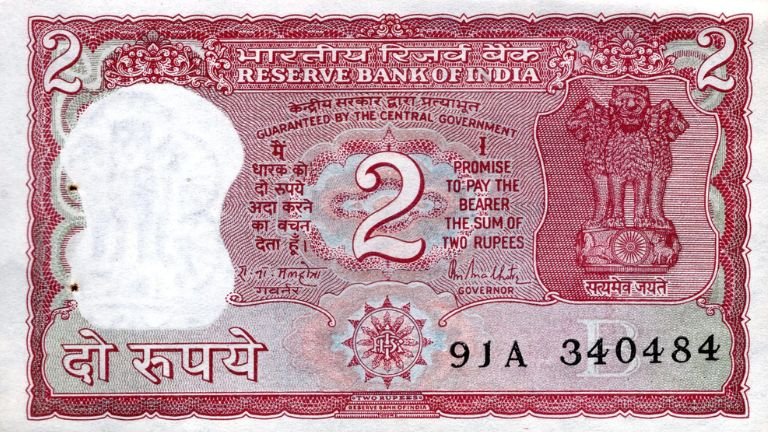
The Ultimate Guide to Selling Old 2 Rupee Indian Notes: Value, Rarity, and 2026 Selling Strategies
In the world of numismatics (the study and collection of currency), a piece of paper is rarely just a piece of paper. For many Indians, old currency notes are nostalgic relics found in grandmother’s trunks or old diaries. However, in 2026, the market for antique Indian currency has reached an all-time high. If you possess a 2 Rupee Indian note, specifically those featuring the tiger, the Aryabhata satellite, or specific governor signatures, you could be looking at a payout ranging from a few hundred rupees to over ₹1,00,000.
This 2,000-word guide will walk you through everything: identifying rarity, understanding the market, avoiding the “RBI registration fee” scams, and the best platforms to maximize your profit.
Part 1: Why the 2 Rupee Note is a Collector’s Favorite
The 2 Rupee note was a staple of Indian commerce for decades before being phased out in favor of coins. Because it was a low-denomination note, most were used until they fell apart. Consequently, finding a 2 Rupee note in UNC (Uncirculated) condition today is difficult, and collectors are willing to pay a premium for that “crisp” quality.
The Historical Significance
From the early portrait notes of King George VI to the post-independence designs featuring the Lion Capital of Ashoka, the 2 Rupee note has mirrored India’s journey. Collectors aren’t just buying paper; they are buying a snapshot of Indian history—the era of the Green Revolution, the launch of India’s first satellite, and the shifts in India’s economic leadership.
Part 2: How to Identify a Rare 2 Rupee Note (The Rarity Scale)
Before you list your note online, you must determine its “Numismatic Value.” Not every old note is valuable. Rarity is determined by the “Three S Rule”: Signature, Serial Number, and Symbol.
1. The Governor’s Signature (The Most Critical Factor)
The Governor of the Reserve Bank of India (RBI) signs every note. Some governors had very short tenures, making their signed notes incredibly rare.
-
Amitabh Ghosh (1985): He was the Governor for only 20 days. Any 2 Rupee note bearing his signature is a “Holy Grail” for collectors. In good condition, these can fetch between ₹10,000 and ₹50,000.
-
S. Jagannathan: Notes from his era, particularly those with specific letter codes, are highly sought after.
-
Manmohan Singh: Before he was PM, he was the RBI Governor. His notes carry a high “thematic” value for collectors who focus on political figures.
-
H.V.R. Iengar & P.C. Bhattacharya: These represent the early post-independence era and are valued for their age.
2. The “786” and Fancy Serial Numbers
In India, the number 786 is considered extremely auspicious by millions. Notes featuring this number—especially at the end of the serial number—can sell for significantly more than their face value.
-
Super Fancy Numbers: Numbers like
000001,111111, or123456are high-value targets. -
Radars: Numbers that read the same forward and backward (e.g.,
123321).
3. Rare Imagery and Designs
-
The Aryabhata Satellite: Notes printed in the late 1970s and 80s featuring India’s first satellite are iconic. While common in “Fine” condition, they are rare in “Bundle” or “UNC” condition.
-
The Tiger Motif: The classic tiger design on the reverse is a favorite for “Thematic Collectors” who collect notes featuring animals.
4. Printing Errors (The “Mistake” Goldmine)
-
Cutting Errors: When the note is not cut straight, leaving part of the next note visible.
-
Mismatched Numbers: When the serial number on the left doesn’t match the one on the right.
-
Ink Smudges or Missing Colors: These factory defects are highly prized because the RBI usually destroys them before they reach the public.
Part 3: Grading the Condition (The “C” in UNC)
In the coin world, condition is everything. A 2 Rupee note with a rare signature might be worth ₹5,000 if it’s brand new, but only ₹200 if it’s torn or heavily folded.
-
UNC (Uncirculated): No folds, no stains, sharp corners. It looks like it just came out of the ATM (if ATMs gave 2 Rupee notes!).
-
Extremely Fine (EF): One light fold or minor handling marks.
-
Very Fine (VF): Multiple folds, slight dirt, but no tears.
-
Fine/Fair: Heavily circulated, soft paper, minor pinholes, or slight tears. These are generally only valuable if the note is extremely rare (like an Amitabh Ghosh signature).
Part 4: Where to Sell Old Notes in 2026 (Online & Offline)
The digital landscape has changed how we sell antiques. Here are the most reliable methods:
A. Dedicated Numismatic Portals (Recommended)
These sites are frequented by serious collectors who know the true value.
-
CoinBazzar.com: One of India’s most trusted sites for buying and selling old coins and notes.
-
Sikkaji.com: Excellent for finding dealers and getting an idea of current market prices.
-
CollectorsCorner: A global hub for high-value antiques.
B. Online Marketplaces (Proceed with Caution)
-
eBay (International): If you have a “786” note, eBay.com (the US/Global site) can often get you a higher price from the global Indian diaspora.
-
OLX & Quikr: Good for local sales, but full of scammers. Never share your bank OTP or pay any “shipping insurance” upfront.
C. Auction Houses
If you believe your note is worth more than ₹1,00,000 (for example, a bundle of 100 rare 2 Rupee notes), contact professional auction houses like Marudhar Arts or Todywalla Auctions. They provide certificates of authenticity and reach high-net-worth collectors.
Part 5: How to Write a Winning Sales Listing (SEO Tips)
When you list your note, you need to use the right keywords so buyers can find you. Use a title like:
“Rare Old 2 Rupee Note – Tiger Design – Signature Amitabh Ghosh – UNC Condition – Collectible”
In the description, include:
-
Serial Number: (e.g., 12A 786786)
-
Governor Name: (e.g., Dr. I.G. Patel)
-
Prefix/Inset: The small letter printed behind the serial number (e.g., ‘A’, ‘B’, or No Inset).
-
History: Briefly mention why this note is special.
Part 6: Identifying and Avoiding Scams (The “RBI” Trap)
This is the most important part of this guide. The RBI does not buy or sell old notes. ### Common Scams to Avoid:
-
The Registration Fee Scam: A buyer contacts you on WhatsApp offering ₹5 Lakhs for your note but asks you to pay ₹2,500 for an “RBI Transfer Certificate.” This is a scam.
-
The “Tax” Scam: They claim you need to pay “GST” or “Income Tax” before they can release the payment.
-
The QR Code Scam: A buyer sends you a QR code saying, “Scan this to receive payment.” Scanning a QR code always sends money; it never receives it.
Pro Rule: If a buyer asks you for money to buy your item, they are a scammer.
Part 7: The Legal Aspect of Selling Currency in India
Selling old currency as a “collectible” or “antique” is perfectly legal in India. You are not selling it as “legal tender” to be used in a shop; you are selling it as a historical artifact. However, if you make a significant profit (e.g., selling a collection for ₹10 Lakhs), you should consult a tax professional regarding Capital Gains Tax.
Part 8: Preservation Tips – Keep Your Money Valuable
If you have a rare note, don’t just leave it in a drawer.
-
Use Acid-Free Sleeves: Buy PVC-free plastic currency holders.
-
Avoid Lamination: Never laminate an old note! The heat and plastic permanently damage the paper fibers and destroy the numismatic value.
-
Keep it Dry: Humidity causes “foxing” (brown spots) which devalues the note.
Is Your 2 Rupee Note a Goldmine?
The market for old 2 Rupee notes in 2026 is thriving. Whether it’s a Tiger-print note with a 786 serial number or a rare Amitabh Ghosh signature, your first step is to accurately identify what you have. Don’t rush into a sale with the first person who messages you on Facebook. Use professional platforms, verify the rarity using numismatic catalogues, and never pay an upfront fee to a “buyer.”
With patience and the right listing, that old 2 Rupee note could turn into a significant windfall.
Quick Value Reference Table (Estimated 2026 Prices)
| Note Type | Rare Feature | Estimated Value (UNC) |
| Tiger Design | Amitabh Ghosh Signature | ₹20,000 – ₹50,000 |
| Aryabhata Satellite | Rare Prefix / 786 | ₹1,000 – ₹5,000 |
| Any 2 Rupee | 786786 (Double 786) | ₹5,000 – ₹15,000 |
| Ashoka Pillar | Early 1950s Issue | ₹3,000 – ₹10,000 |
| Common Tiger | B.N. Adarkar Signature | ₹2,000 – ₹4,000 |
In India, there is no official government website where you can sell old currency for a profit. The Reserve Bank of India (RBI) only exchanges soiled or mutilated notes for their face value (e.g., you give them a ₹2 note, they give you ₹2 back).
To sell your note for its “collector value” (which can be much higher), you must use private, legal numismatic platforms. Below are the most reputable links and legal pathways in 2026:
1. Most Reliable Legal Marketplace: CoinBazzar
This is widely considered the most authentic platform for private sellers in India. It acts like an “Amazon” for collectors.
-
Link: link 1
-
How to use: You must register as a “Seller,” upload clear photos of your 2 Rupee note, and set your price.
2. High-Value Auctions: Marudhar Arts
If you believe your note is extremely rare (e.g., it has a 786 serial number or the signature of Amitabh Ghosh), do not sell it for a fixed price. Use an auction house.
-
Link: link 2
-
Note: They are a licensed auction house that holds live auctions in 2026. You can submit your note for valuation through their website.
3. Professional Dealer Network: Sikkaji
Sikkaji is a verified marketplace that focuses on the “hobby” side of numismatics, ensuring that buyers are serious collectors rather than scammers.
-
Link: link3
4. Direct Government “Antique” Reference
While you cannot sell to them, the India Government Mint has an official “Antique Collection” portal. This is a good place to verify what high-quality historical sets look like.
-
Link: linkl 4
Legal & Security Checklist
To ensure your transaction is 100% legal and safe:
-
Avoid the “RBI Registration” Scam: You will see many fake websites claiming to be “RBI Authorized Buyers.” The RBI never authorizes private buyers. If any website asks for a “GST fee” or “registration fee” to buy your note, close the tab immediately.
-
Verify the Signature: Look at the bottom right of your 2 Rupee note. If the signature is Amitabh Ghosh, it is worth significantly more (₹10,000+). If it is I.G. Patel or Manmohan Singh, the value is usually lower (₹100–₹500).
-
Physical Exhibitions: If you prefer selling in person, look for “Mudra Utsav” or “Coin Fairs” in major cities (Delhi, Mumbai, Bangalore). These are legal gatherings of licensed dealers.