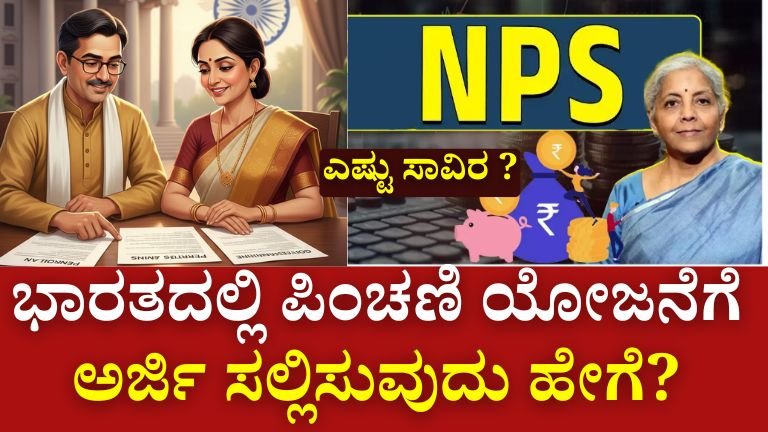
How to Apply for Pension Scheme in India (Beginner’s Complete Guide)
Planning for retirement is one of the most important financial decisions in life. In India, the government offers multiple pension schemes to help citizens secure a stable income after retirement. This guide explains how to apply for a pension scheme in India, eligibility, documents required, step-by-step application process, and which scheme is best for beginners.
What Is a Pension Scheme?
A pension scheme is a long-term savings plan where you invest small amounts regularly during your working years and receive a fixed income after retirement. Pension schemes in India are designed for:
- Senior citizens
- Salaried employees
- Self-employed individuals
- Unorganized sector workers
- Low-income and economically weaker sections
Types of Pension Schemes in India
India has two major categories of pension schemes:
1. Government Pension Schemes
These are backed by the Government of India and offer high safety.
Popular schemes include:
- National Pension System (NPS)
- Atal Pension Yojana (APY)
- Pradhan Mantri Shram Yogi Maandhan
- Indira Gandhi National Old Age Pension Scheme
2. Private Pension Plans
These are offered by insurance companies and mutual fund houses and may provide higher returns with some risk.
Best Pension Scheme for Beginners in India
For beginners, these two schemes are most recommended:
Atal Pension Yojana (APY)
- Ideal for low-income earners and first-time pension applicants
- Guaranteed pension after 60 years
- Monthly pension options: ₹1,000 to ₹5,000
National Pension System (NPS)
- Suitable for salaried and self-employed people
- Market-linked returns
- Partial withdrawal and tax benefits available
Eligibility for Pension Schemes in India
General Eligibility
- Indian citizen
- Age between 18 and 60 years (varies by scheme)
- Valid Aadhaar card
- Bank account linked with Aadhaar
APY Eligibility
- Age: 18–40 years
- Must have a savings bank account
NPS Eligibility
- Age: 18–70 years
- PAN card mandatory
Documents Required to Apply for Pension Scheme
Keep the following documents ready:
- Aadhaar Card
- PAN Card (mandatory for NPS)
- Bank Passbook or Account Details
- Mobile number linked with Aadhaar
- Passport size photograph
How to Apply for Pension Scheme in India (Step-by-Step)
Step 1: Choose the Right Pension Scheme
Decide based on:
- Your age
- Monthly income
- Retirement goal
- Risk appetite
Step 2: Visit Bank or Online Portal
You can apply:
- Through your bank branch
- Via official government portals
- Using net banking or mobile apps
Step 3: Fill the Application Form
Provide:
- Personal details
- Nominee information
- Contribution amount
Step 4: Submit Documents
Attach Aadhaar, PAN, and bank details for verification.
Step 5: Start Monthly Contribution
Your contribution will be auto-debited monthly from your bank account.
How Much Pension Will You Get?
| Scheme | Monthly Contribution | Pension After 60 |
|---|---|---|
| APY | ₹42 – ₹210 | ₹1,000 – ₹5,000 |
| NPS | Flexible | Depends on investment returns |
Tax Benefits on Pension Schemes
- NPS offers tax deduction under Section 80C and 80CCD
- Employer contribution in NPS gives additional tax benefit
- APY contributions do not provide direct tax benefits
Common Mistakes to Avoid
- Not updating nominee details
- Missing monthly contributions
- Choosing wrong pension amount
- Applying without understanding lock-in period
Can You Apply for Multiple Pension Schemes?
Yes, you can invest in:
- One government pension scheme
- One or more private pension plans
However, APY allows only one account per person.
Frequently Asked Questions
Is pension scheme mandatory in India?
No, but it is strongly recommended for financial security after retirement.
Can housewives apply for pension schemes?
Yes, if they meet age and bank account requirements.
What happens if I stop contributing?
The account may become inactive or closed depending on the scheme.
Click Hear to Apply
Applying for a pension scheme in India is simple if you start early and choose the right plan. Government pension schemes are safe, affordable, and ideal for beginners. A small monthly investment today can ensure a stress-free retirement tomorrow.